Fidelity in Architectural Survey Practice.
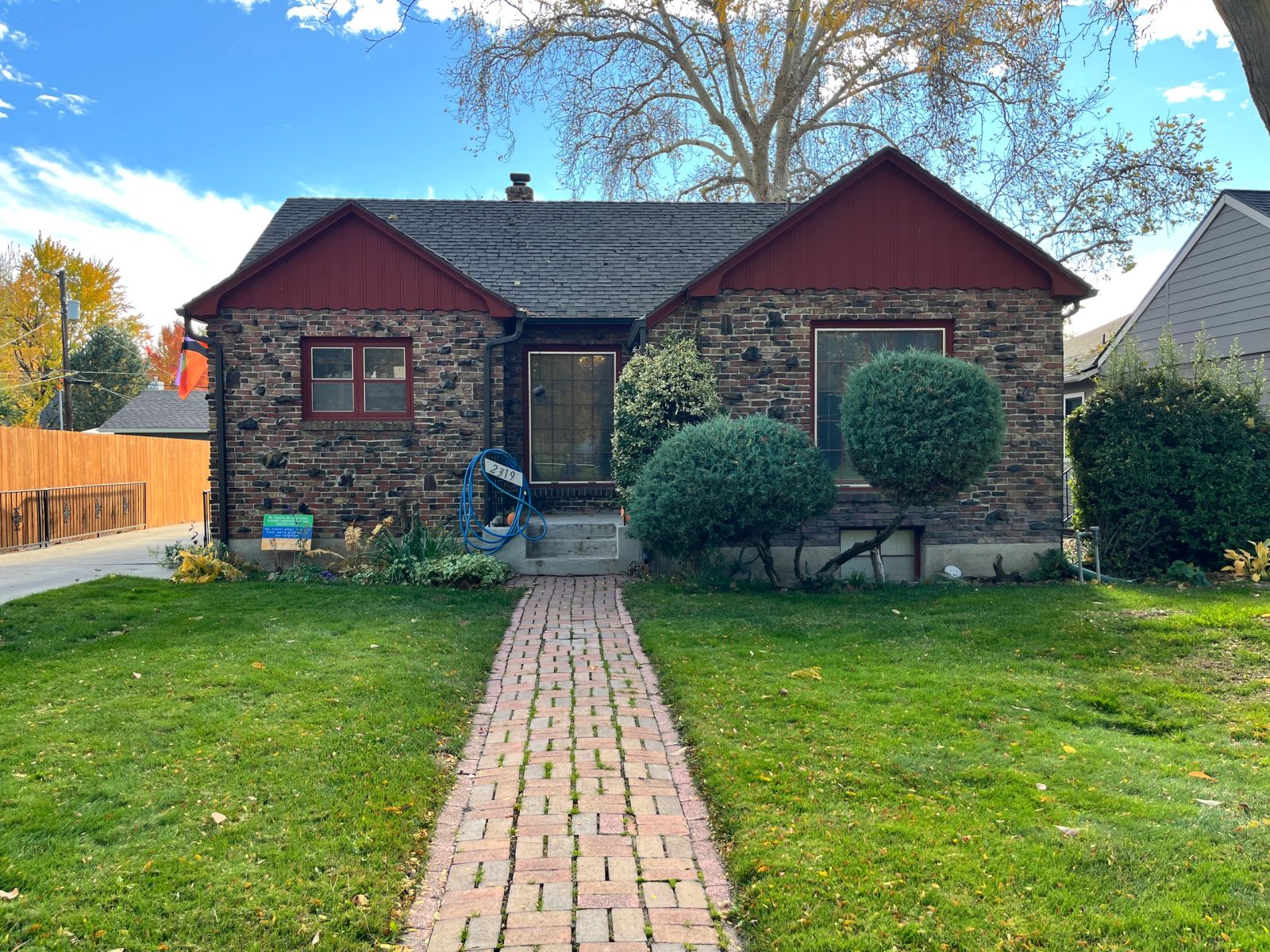
Comparative Framework and Period of Significance
An architectural survey works by watching buildings in the company they keep. Each one is read against the others, inside a period of significance fixed in advance. Integrity is the measure used, defined by the National Register as location, design, setting, materials, workmanship, feeling, and association. In residential districts, design and materials tend to declare themselves first. Feeling follows, quieter but decisive. The survey holds these observations together as a framework established in the field, at a particular moment, calibrated once and relied upon thereafter rather than adjusted building by building.
Alterations, Chronology, and Reversibility
Alterations enter a survey the way weather enters a landscape, unevenly, at different speeds, leaving marks that do not all carry the same consequence.They are assessed by degree, visibility, chronology, and reversibility, consistent with National Register Bulletin 15 and common SHPO survey practice. Minor features such as awnings or applied shutters generally do not affect integrity because they leave massing, plan, and primary elevations intact.
Vinyl and metal siding require closer review, yet SHPO guidance often treats them as reversible when original siding remains beneath. Field documentation confirms this pattern, with applied cladding added in the late twentieth century as a maintenance decision rather than a redesign. Material integrity thins at the surface, but it does not give way when form, scale, roof configuration, and fenestration remain readable.
Fidelity, Consistency, and District Credibility
Fidelity is the discipline of staying inside the survey’s own logic, its thresholds, and the documentation context established at the time of recordation, within the stated period of significance. SHPO review depends on internal consistency across a district rather than selective recalibration years later. When properties altered in comparable ways were recorded as contributing during the original survey, reevaluating a single resource without a district-wide update introduces drift and weakens the argument the survey was built to carry. Over time, National Register integrity becomes harder to defend, eligibility determinations lose stability, and confidence in the survey record diminishes. Under established NPS and SHPO criteria, the resource retains contributing status.
Last update: 28-Jan-2026 Wednesday | 5:12 AM